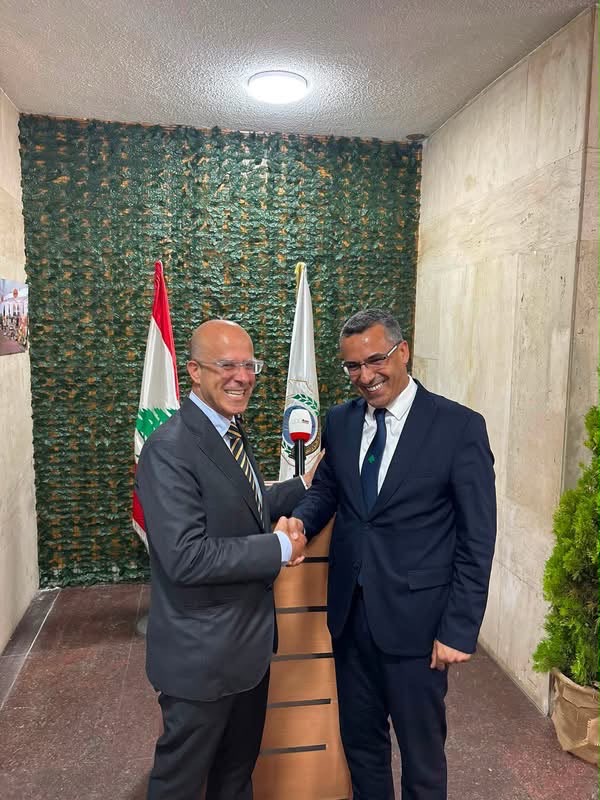
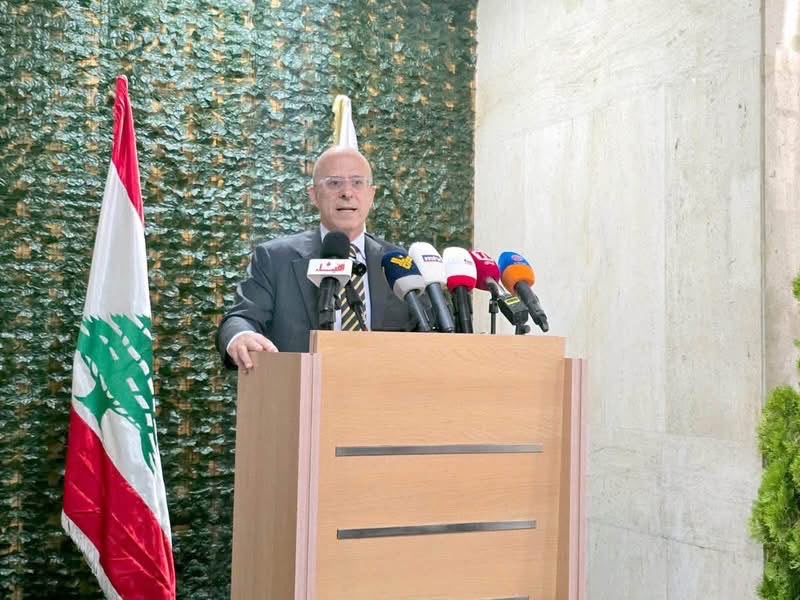
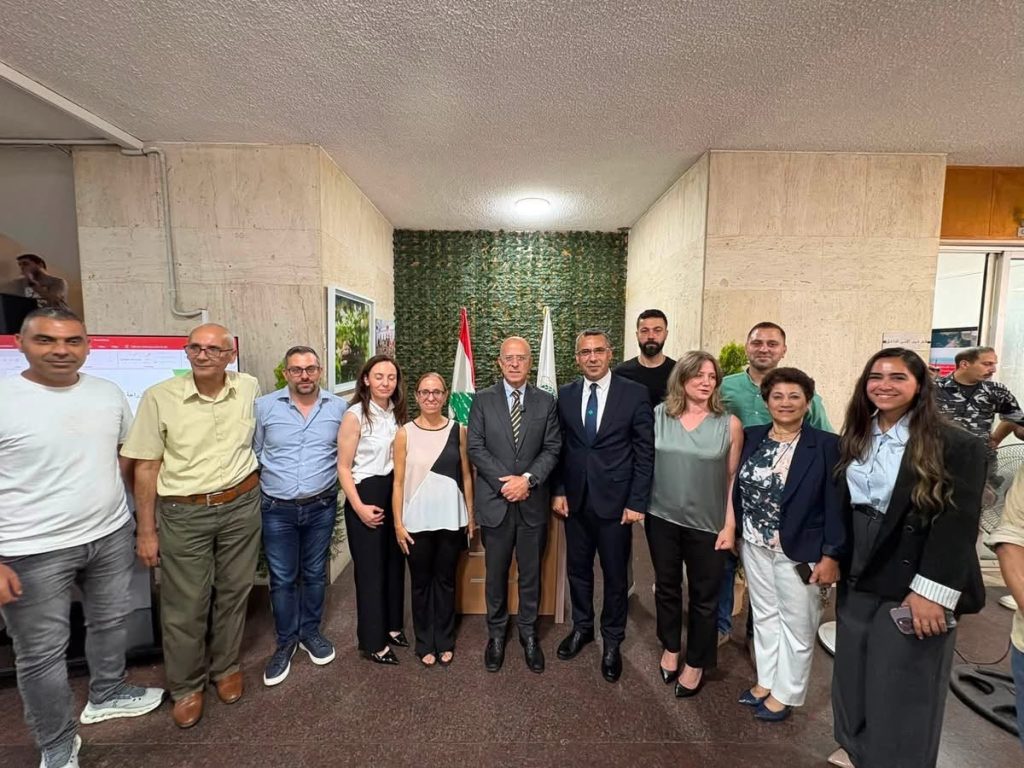
Under the patronage and in the presence of Minister of Agriculture Dr. Nizar Hani and Minister of State for Administrative Reform Dr. Fadi Makki, the Ministry of Agriculture officially launched its One-Stop Service Center and unveiled a comprehensive package of administrative and digital reforms. The initiative marks a pivotal milestone in the modernization of public administration by simplifying procedures, enhancing transparency, accelerating service delivery, and improving transaction processing, in line with the aspirations of citizens and farmers while laying the foundation for a more efficient and effective agricultural administration capable of meeting the requirements of sustainable development.
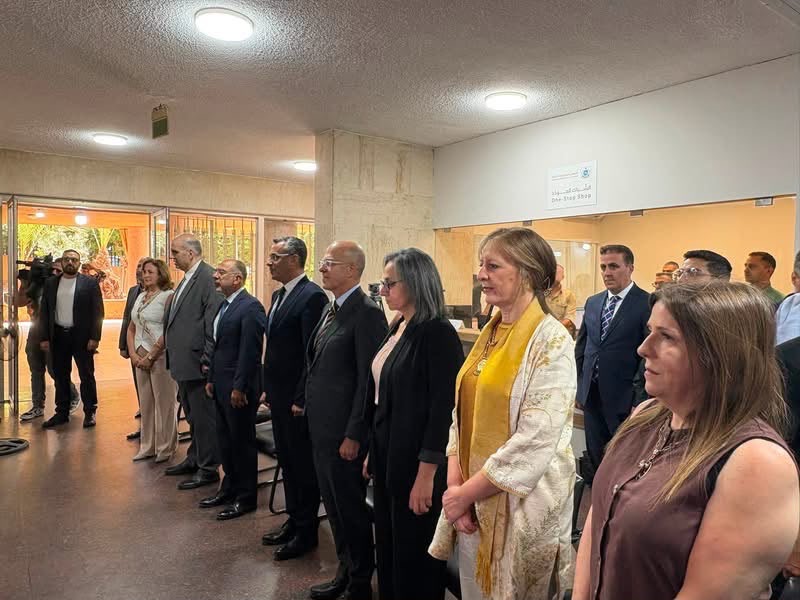
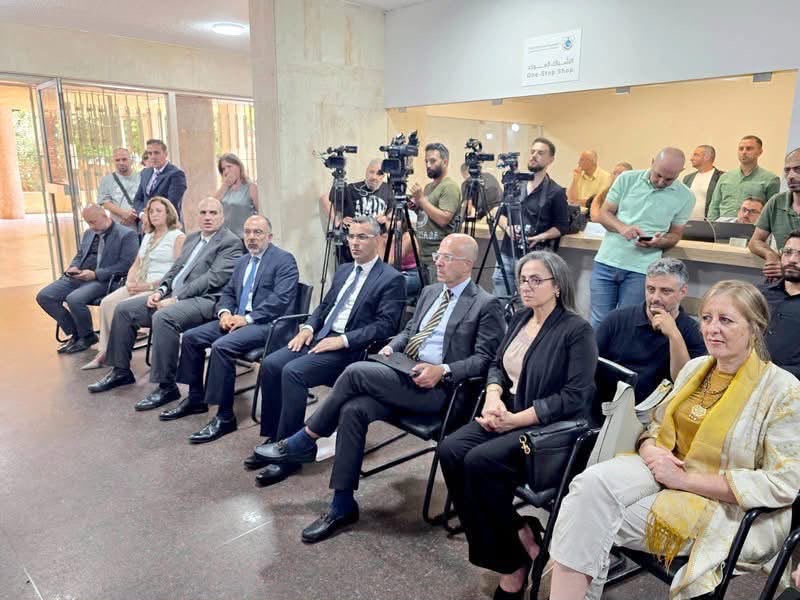
The launch ceremony was held at the Ministry of Agriculture headquarters in Jnah and attended by Ms. Nora Ourabah Haddad, FAO Representative in Lebanon; Eng. Louis Lahoud, Director General of Agriculture; Ms. Nisrine Mashmoushi, President of the Civil Service Board; Ms. Nidal El Rahi, Inspector General for Health, Social and Agricultural Affairs; Dr. Antoine Choucair, Director General of the Presidency of the Republic and Acting Head of the Personnel Administration; along with a number of directors general, representatives of oversight bodies, international organizations, ministry partners, stakeholders from the agricultural sector, and members of the media.
The ceremony was moderated by Eng. Myriam Eid, who presented the programme and guided the proceedings, introducing the keynote addresses and presentations that highlighted the Ministry of Agriculture’s vision for public administration modernization and digital transformation.
Lahoud: The Ministry of Agriculture Serves All of Lebanon
The event opened with remarks by Director General of Agriculture Eng. Louis Lahoud, who emphasized the Ministry’s pivotal national role in serving Lebanon’s agricultural sector through its administrative structure, which comprises four directorates, regional offices, and agricultural centers spread across the country, ensuring that agricultural services and extension support reach farmers throughout Lebanon.
He noted that despite the various challenges, the Ministry continues to implement its development programmes and plans, praising the dedicated efforts of its employees across the central administration, regional offices, and agricultural centers, whose work constitutes the cornerstone of the Ministry’s achievements and the continuous improvement of public services.
Digital Transformation: Towards a Smart Ministry of Agriculture
Ms. Rana Kfoury delivered a technical presentation outlining the Ministry’s vision for digital transformation and highlighting the key initiatives being implemented to modernize administrative processes and expand electronic services.
She presented the CTS electronic transaction tracking system, which enables citizens and stakeholders to monitor the progress of their applications directly and transparently, reducing processing time and improving operational efficiency.
She also showcased the Agri-Learning Platform, Lebanon’s national platform for agricultural training and extension, which provides educational and advisory programmes for farmers and professionals working in the agricultural sector, ensuring access to modern knowledge and promoting the adoption of best agricultural practices.
The presentation also featured the LERV Platform for the electronic registration of imported plant varieties, seedlings, and seeds, which serves as the foundation for the establishment of Lebanon’s National Catalog of Varieties.
In addition, the Ministry presented its agricultural services available through the DAWLATI platform and announced the launch of the unified hotline 1789, providing farmers and citizens with a direct channel to submit inquiries, receive guidance, and access Ministry services.
In a first for Lebanon’s public administration, the Ministry officially announced the adoption of electronic signatures, becoming the first public administration in Lebanon to implement this service. The initiative is expected to accelerate administrative procedures, enhance transparency, and significantly reduce paper-based transactions.
Projects Dashboard
The opening session also featured a presentation by Ms. Sousan Bou Fakhr El Dine, Advisor to the Minister of Agriculture, on the Projects Dashboard, developed with the support of the Agriculture Partners Network. The platform serves as an integrated national database showcasing the principal agricultural programmes, initiatives, and projects implemented across Lebanon.
She explained that the platform provides information on project locations, funding sources, beneficiary sectors and regions, as well as development gaps requiring further intervention. It is designed to enhance transparency, strengthen coordination among donors and development partners, prevent duplication of projects, and direct support towards the agricultural sector’s actual priorities.
Makki: Significant Progress in Digital Transformation and the Automation of Ministry of Agriculture Services
Minister of State for Administrative Reform Dr. Fadi Makki stressed that digital transformation has become a cornerstone of modern public administration, noting that the Ministry of Agriculture now represents an advanced model in this field thanks to its clear vision, institutional readiness, and tangible progress in digitization and administrative simplification.
Makki noted that cooperation between the Ministry of Agriculture and the Ministry of State for Administrative Reform (OMSAR) has enabled approximately 10% of the Ministry’s services to be digitized and made available through the DAWLATI platform, representing a practical achievement that demonstrates the seriousness of this reform path and provides a strong foundation for further progress.
He commended the efforts of the Ministry’s leadership and its administrative and technical staff, congratulating all employees on their achievements and affirming that the Ministry’s experience provides a model that can be replicated across Lebanon’s public administration.
Hani: Reform Is Not a Slogan—It Is a Culture of Work
Concluding the ceremony, Minister of Agriculture Dr. Nizar Hani affirmed that the inauguration of the One-Stop Service Center and the announcement of the Ministry’s administrative and digital reform package represent far more than the launch of new services. Rather, they constitute a comprehensive reform agenda aimed at building a modern ministry capable of leading the advancement of Lebanon’s agricultural sector.
He stated that the Ministry embarked on this reform process based on the firm conviction that developing the agricultural sector begins with strengthening the institution responsible for managing it. He announced seven interconnected reform pillars, including restructuring the Ministry, strengthening its administrative and human capacities, establishing the One-Stop Service Center, accelerating digital transformation, creating a National Farmers Registry, launching a farm-to-consumer agricultural traceability system, establishing the Agriculture Partners Network and National Agricultural Projects Platform, and introducing the unified hotline 1789.
Minister Hani announced that the National Farmers Registry now includes approximately 85,000 registered farmers, describing it as a national database that will underpin support and investment policies while ensuring fairness and transparency in the allocation of programmes and assistance.
He also announced the launch of a comprehensive agricultural product traceability system from farm to consumer, aimed at strengthening food safety, improving the quality of Lebanese agricultural products, increasing confidence in domestic and international markets, and expanding export opportunities.
The Minister stressed that these reforms are particularly important as Lebanon continues to recover from the consequences of the war, noting that nearly 25,000 farmers have been affected and more than 56,000 hectares of agricultural land have sustained damage, in addition to significant losses affecting orchards, crops, greenhouses, livestock, poultry, beekeeping, and the fisheries sector.
He added that, in cooperation with national and international partners, the Ministry has developed a comprehensive Early Recovery Plan focused on protecting farmers’ livelihoods, rehabilitating agricultural land and infrastructure, restoring production chains, and ensuring that digital tools—including the National Farmers Registry, the Projects Platform, and the Agriculture Partners Network—enable support to be delivered efficiently, fairly, and transparently.
Minister Hani further noted that these reforms form part of the implementation of the National Agriculture Strategy 2026–2035 and the Agricultural Investment Plan, both of which aim to build a more productive, competitive, and sustainable agricultural sector by strengthening agricultural value chains, improving infrastructure, encouraging investment, expanding partnerships with the private sector, and opening new markets for Lebanese agricultural products.
He emphasized that the Ministry is advancing three complementary priorities: recovering from the destruction caused by the war, implementing institutional reform, and promoting investment to secure the future of Lebanese agriculture. He stressed that, for the Ministry, reform is not a slogan but a sustainable culture of work that places farmers at the centre of public policy, links administration to data, aligns support with actual needs, connects production to markets, and integrates recovery with investment.
In his closing remarks, Minister Hani thanked Minister of State for Administrative Reform Dr. Fadi Makki, the Food and Agriculture Organization of the United Nations (FAO), and all supporting partners. He also expressed his appreciation to the employees of the Ministry of Agriculture across the central administration, regional offices, and agricultural centers, affirming that the success of the reform process is the result of collective effort and a shared commitment to serving Lebanon’s farmers, agricultural sector, and national interest.
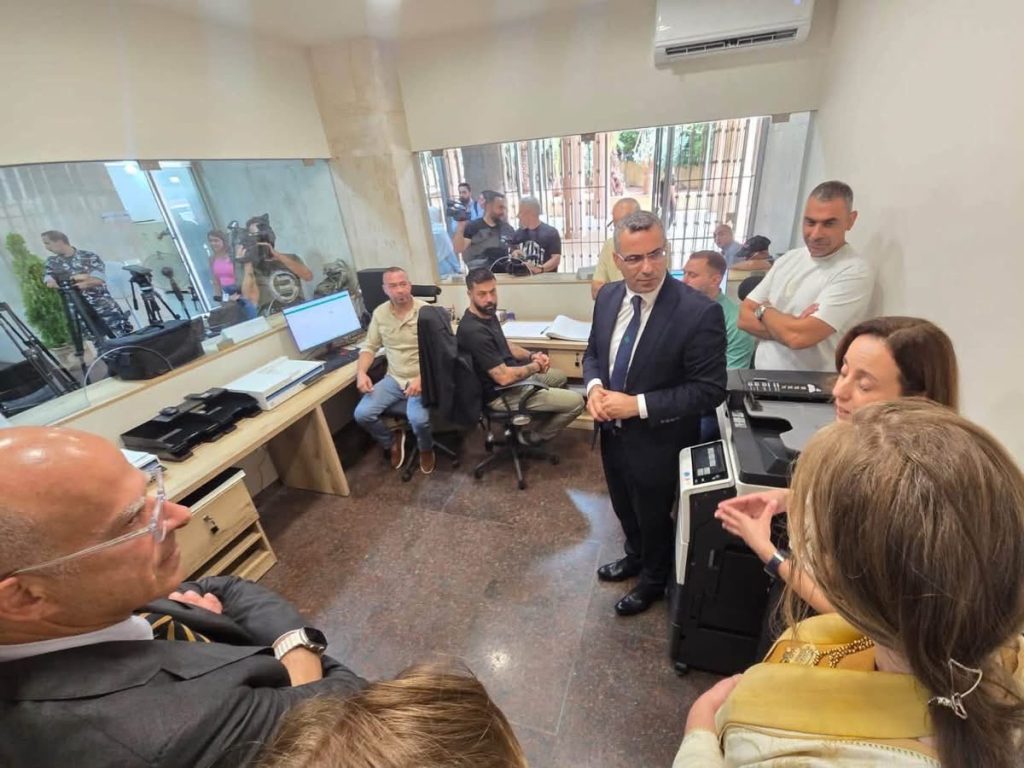
The ceremony concluded with a tour of the newly inaugurated One-Stop Service Center, where attendees were introduced to its new operating procedures and digital services. The launch marks the Ministry’s transition towards a new phase of smart governance and modern public service delivery, strengthening public trust, improving the quality of government services, and positioning the Ministry of Agriculture as a leading model for administrative reform and digital transformation in Lebanon.