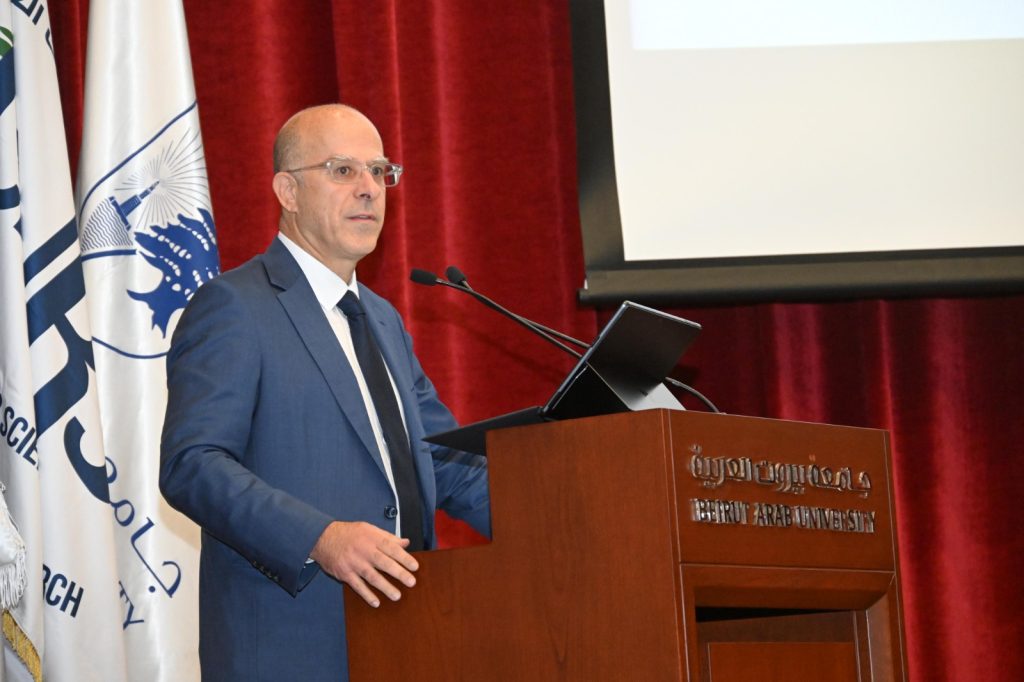
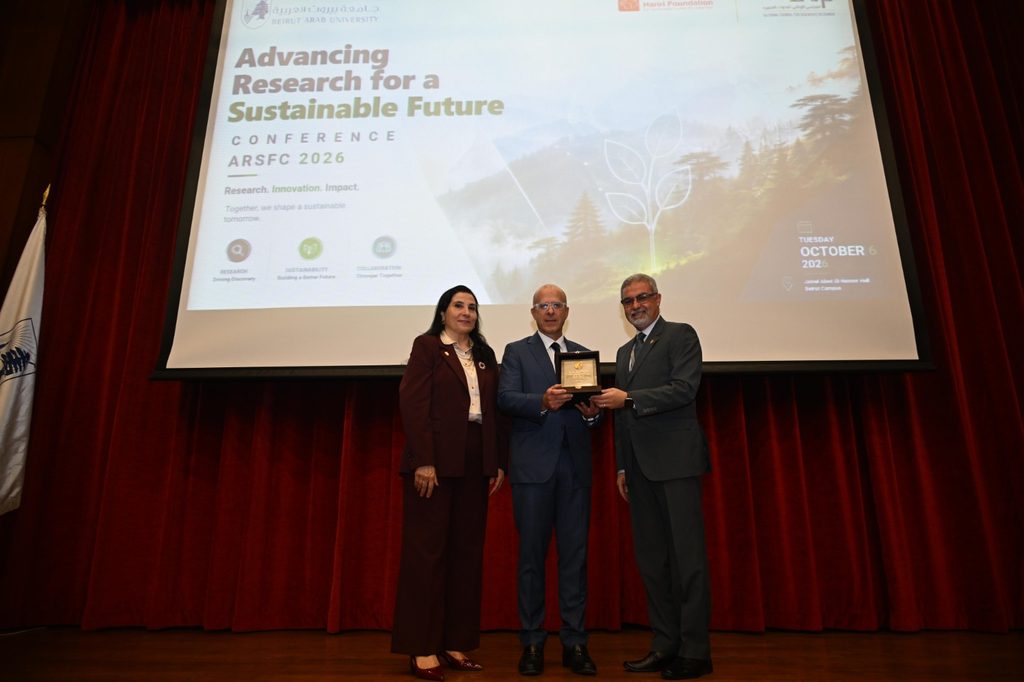
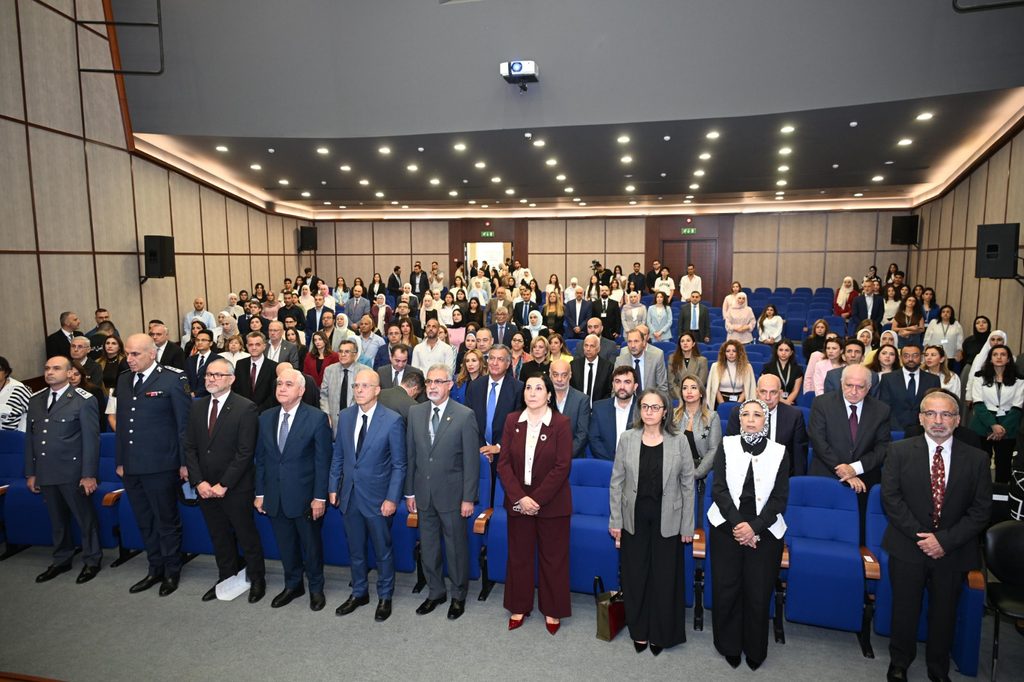
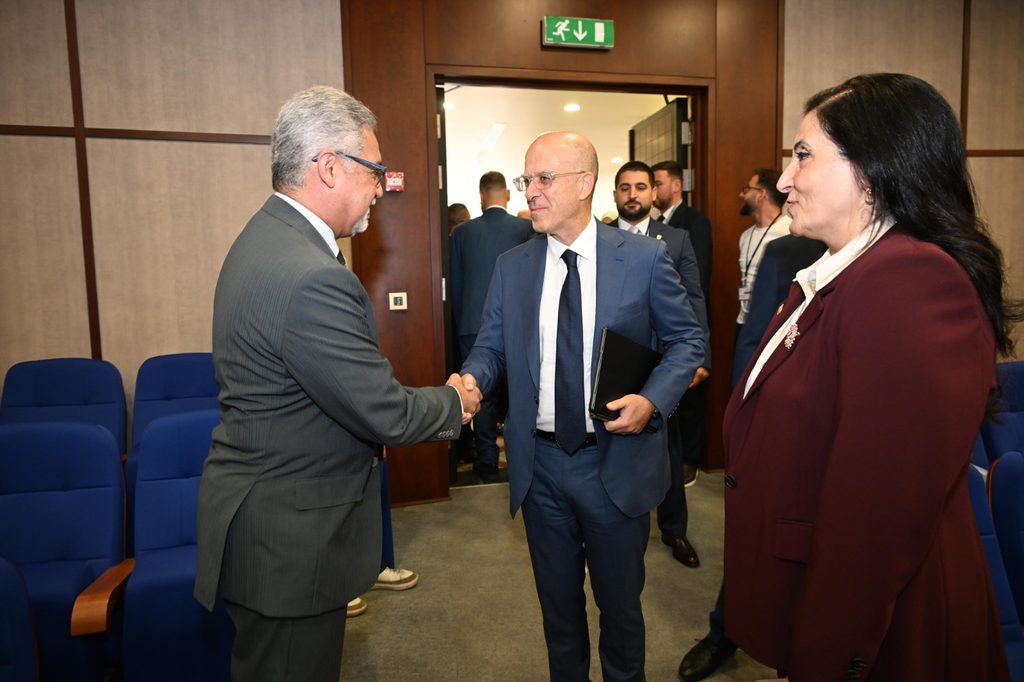
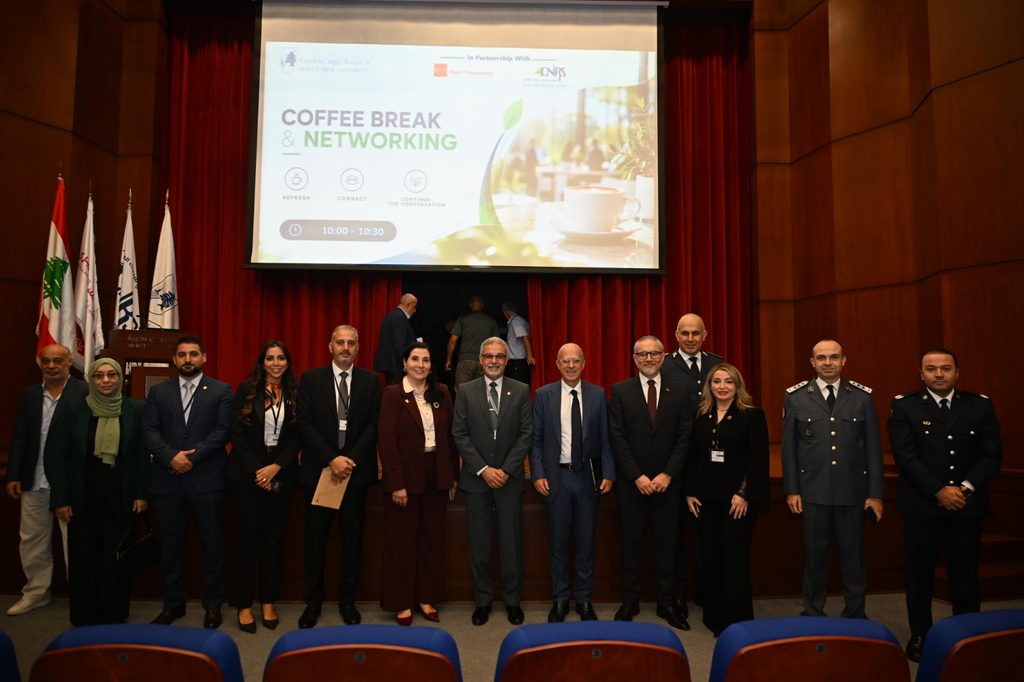

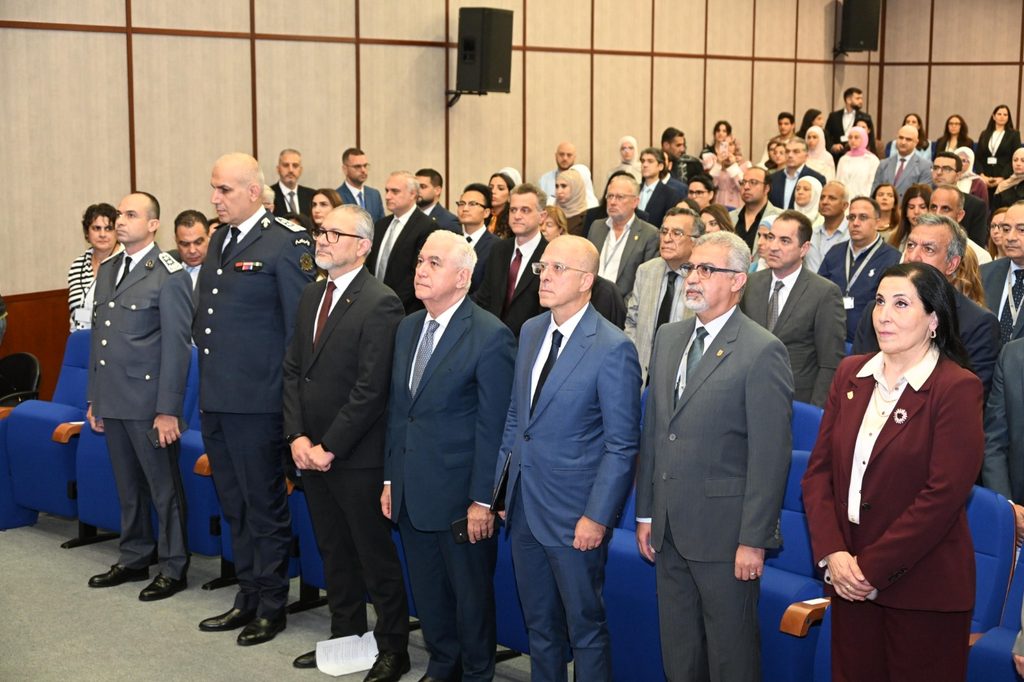
“Does it work? Can it be scaled up? Will it last?” These were the three questions posed by Minister of State for Administrative Reform Dr. Fadi Makki as criteria for assessing any research, public policy, or reform project. He was speaking at the opening of the “Advancing Research for a Sustainable Future” conference at Beirut Arab University, held under his patronage.
Makki stressed that successful reform is measured not only by the launch of initiatives, but also by their ability to endure and become embedded in institutional practice. He asked: How do we move from an initiative to an institution, from a pilot project to a permanent system, and from reform associated with a particular minister or government to reform that becomes part of how the state operates?
He emphasised that a sustainable public administration must not start from scratch with every new minister or government. Instead, it must rest on institutions, rules, systems, human capabilities, data, and institutional memory that endure and evolve, regardless of who holds office.
He explained that sustainability extends beyond protecting the environment and natural resources. It also encompasses the ability of health, economic, financial, and social systems to withstand shocks, as well as the capacity of institutions to operate, develop, and benefit from technology over the long term.
In this context, Makki outlined the three pillars of the “Reinventing Government 2030” programme: governance and the structure of the state, through institutional development and reorganisation; people, through staff training, skills development, and the recruitment of new talent; and services and digital transformation, through redesigning services around citizens’ needs.
He stressed that all three pillars must be guided by one question: “Will this reform outlast us?” A digital service that depends on a particular team to keep running, or a procedure that disappears when the person in charge changes, does not achieve sustainability. Introducing technology and passing legislation must therefore be accompanied by the institutions, capabilities, and incentives needed to implement and develop them.
Makki also highlighted the role of scientific research in moving from impressions to evidence and in assessing whether policies work, can be scaled up, and will endure. He called for stronger partnerships between the state and universities, connecting the needs of public institutions with the capabilities of researchers and students to turn research into policies and practical solutions that improve services, public administration, and citizens’ lives.
He concluded that Lebanon needs a state that does more than withstand the next crisis: it needs institutions capable of enduring, learning, and evolving during crises and beyond. Connecting scientific research with public policy, he said, can help build stronger institutions and a more sustainable future.